What to Expect From a CCTV Pipeline Inspection: A Step-by-Step Guide
If you manage public infrastructure, design utility systems, or build them, you have probably heard that a CCTV pipeline inspection is the standard first step before any repair, rehabilitation, or acceptance decision. But what actually happens when the crew arrives, and what do you get when the job is done?
This guide walks through a CCTV pipeline inspection from start to finish, so cities, public works departments, engineering firms, and contractors across Northern California know exactly what to expect — and how to tell a quality inspection from a box-checking one.
What Is a CCTV Pipeline Inspection?
A CCTV (closed-circuit television) pipeline inspection uses a remotely operated camera to travel through a pipe and record its interior condition. Instead of digging or guessing, you get a clear, documented view of cracks, root intrusion, offsets, blockages, corrosion, and other defects — exactly where they are and how severe they are.
The real value isn’t just the video. It’s the standardized data that comes with it. Reputable inspections code every observation to a national standard so the results are consistent, comparable, and defensible across projects and over time.
Step 1: Project Planning and Access
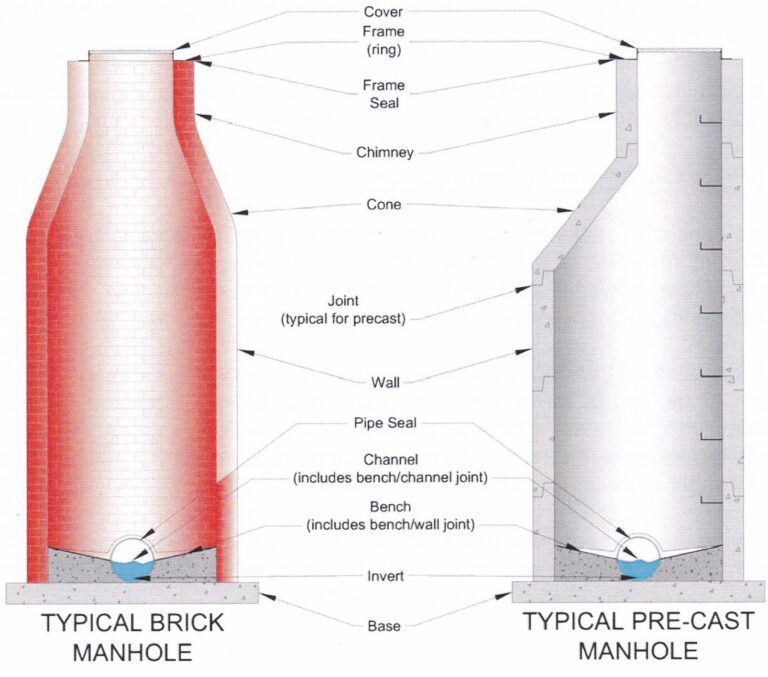
Every inspection starts with a plan. We confirm the scope — which line segments, how many linear feet, pipe sizes and materials — and identify the access points, usually manholes or cleanouts. For municipal and roadway work, this stage also covers traffic control, confined-space safety, and any coordination required with your team.
Good planning up front is what keeps a project on schedule and avoids surprise return trips, especially on larger municipal or federal jobs that require staged mobilization.
Step 2: Cleaning the Line (When Needed)
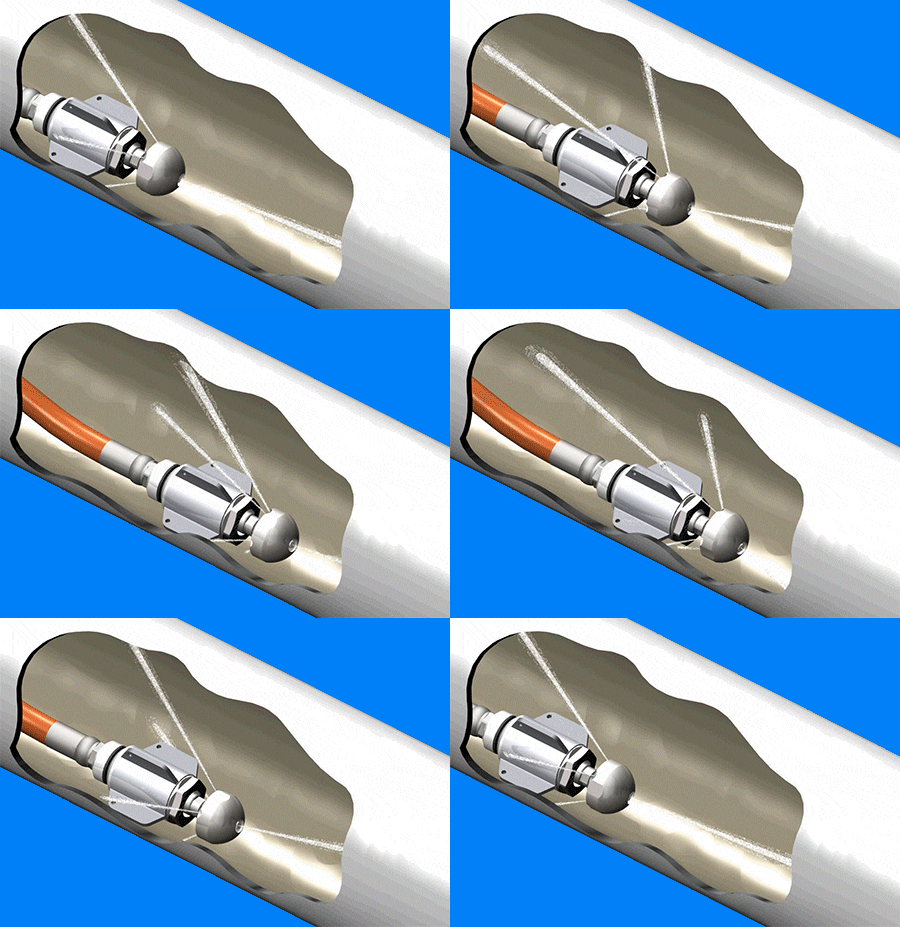
A camera can only document what it can see. Grease, sediment, roots, and standing debris will hide defects and produce footage you can’t rely on. When a line needs it, we clear it first — typically with hydro-jetting or flushing — so the inspection captures the true condition of the pipe wall.
You can read more about that process in our guide to professional sewer and storm pipe cleaning.
Step 3: The Camera Crawl
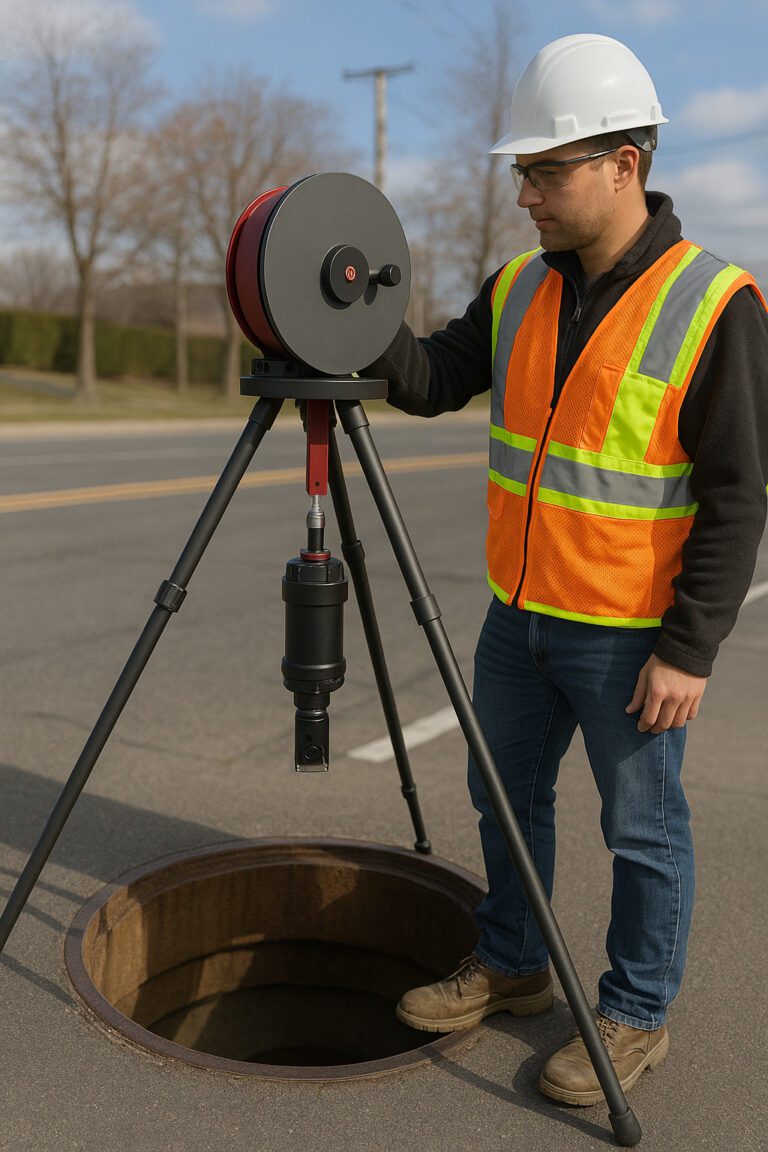
This is the inspection itself. A self-propelled crawler (or a push camera in smaller lines) travels the segment while a technician monitors the live feed. Pan-and-tilt and zoom let the operator stop and examine anything noteworthy — a hairline fracture, a leaking joint, an illegal tap — rather than driving straight past it.
Throughout the run, the system logs footage distance so every observation is tied to a precise location. That’s what later lets your crew dig in exactly the right spot instead of excavating blind.
Step 4: NASSCO PACP Defect Coding
Here’s where certification matters. As the inspection proceeds, each observation is recorded using NASSCO’s Pipeline Assessment Certification Program (PACP) coding — the industry-standard language for describing pipe defects.
PACP separates structural defects (cracks, fractures, deformation, collapse) from operation and maintenance conditions (roots, deposits, infiltration) and assigns severity grades. Manholes are coded under MACP and laterals under LACP using the same disciplined approach. The result is an objective condition assessment you can rank, budget against, and stand behind in front of regulators, grant agencies, or a council.
An inspection without proper certified coding is just a video. Certified PACP/MACP/LACP coding is what turns it into asset-management data. (More on why this matters in our post on being a proud NASSCO member.)
Step 5: Your Inspection Report and Deliverables
When the fieldwork wraps, you receive a complete package, not just raw clips. A typical deliverable set includes:
- Full inspection video for each segment, indexed to footage location
- A coded observation log with PACP defect codes and severity ratings
- Condition summaries and recommendations to support repair or rehab decisions
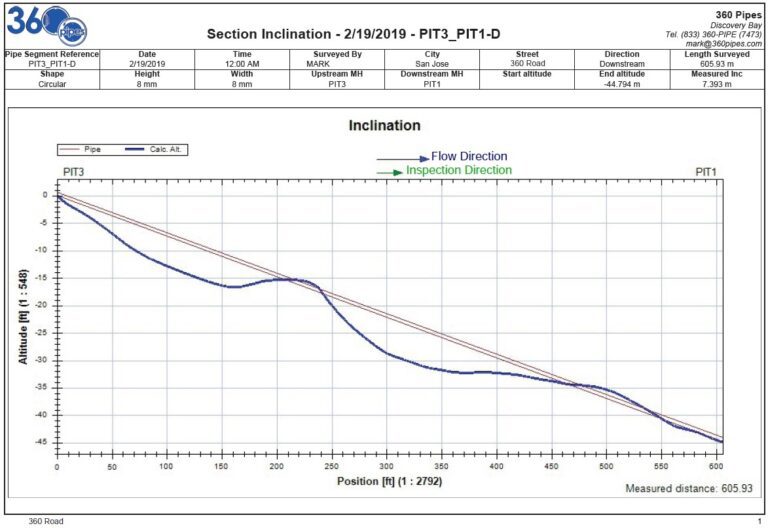
- Data formatted to import into your asset-management or GIS system
At 360 Pipes, reports are typically delivered within 24–48 hours so your team can move from inspection to decision without waiting.
When Should You Schedule a CCTV Inspection?
A few of the most common triggers:
- New construction acceptance — verifying a contractor’s work before you take ownership of the system
- Pre-rehabilitation assessment — confirming what needs lining, spot repair, or replacement before bidding the work
- Recurring maintenance — building a baseline and catching problems early
- Infiltration and inflow (I&I) studies — locating where groundwater and stormwater are entering the system (see our guide on identifying I&I)
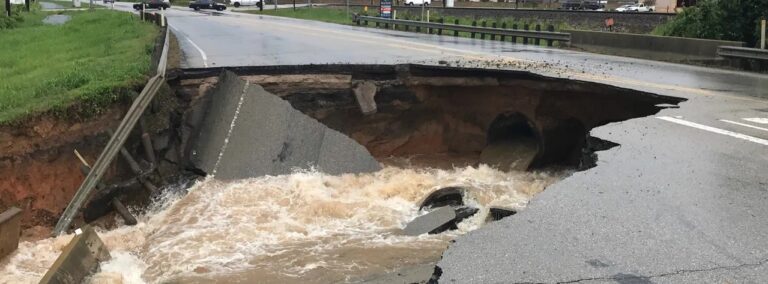
- Recurring blockages or sinkhole risk — pinpointing a failing segment before it becomes an emergency
Work With a Certified Northern California Contractor
A CCTV pipeline inspection is only as good as the people and the standards behind it. 360 Pipes is NASSCO PACP, MACP, and LACP certified, California C-42 licensed (#1052318), and SAM.gov registered, and as a certified Woman-Owned Small Business (WOSB/EDWOSB) we’re a qualified vendor for public projects with small business participation requirements.
Based in Folsom and serving Northern California, with statewide mobilization available for larger municipal and federal projects, we deliver clear, certified, decision-ready results.
Ready to scope your next project? Get in touch with 360 Pipes or call (833) 360-7473 to talk through your line, your timeline, and your reporting needs.